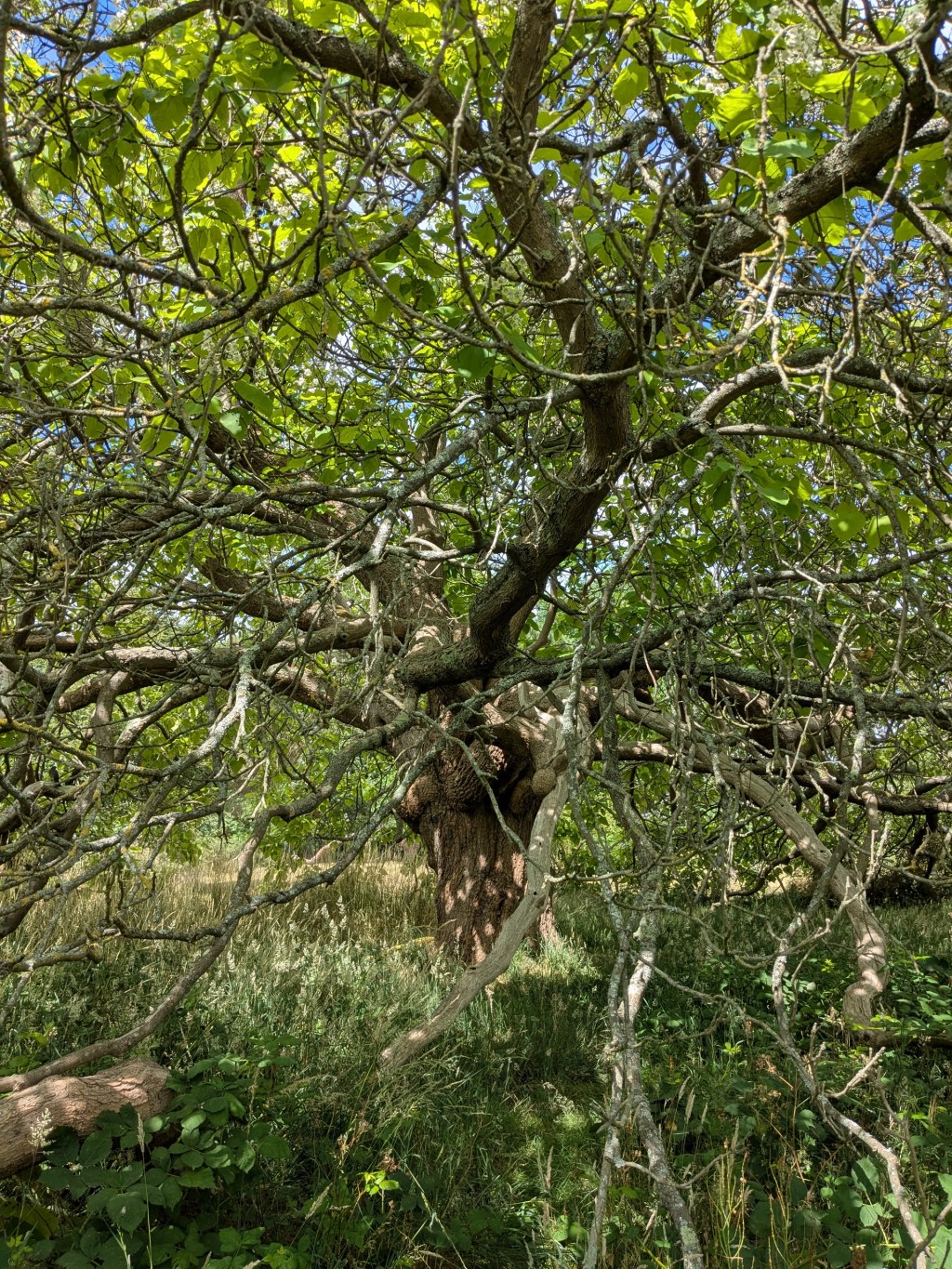
Last week, I was very happy to attend the final team meeting of ADD-TREES, one of many projects that originated from a workshop I attended at the Isaac Newton Institute in 2019. The project focused on designing decision support tools for policy makers and large landowners in the UK. It aims to support the UK government’s target of planting half a million hectares of new trees over the next few decades. That legislation was motivated by the country’s net zero aims, but the project considers other implications of tree planting, such as impacts on food production, farmer income, biodiversity, water, recreation, and culture.
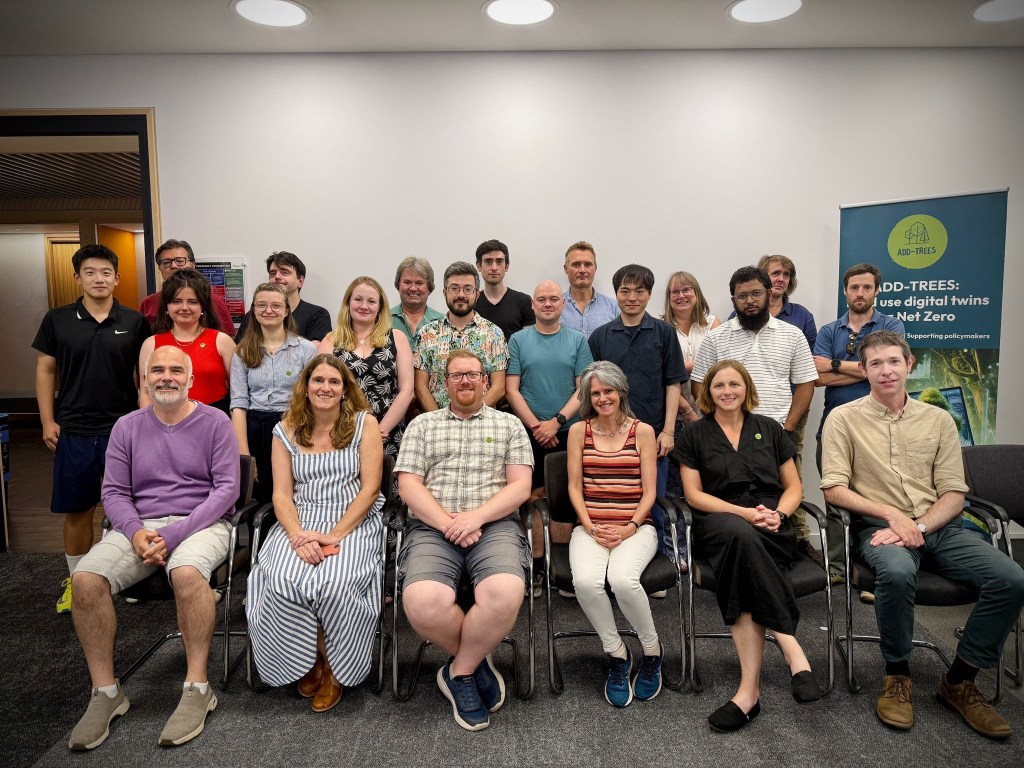
The ADD-TREES team at the final project meeting in London.
In ADD-TREES and a related project (NetZeroPlus), I’ve worked with software engineers to develop a calibration tool and emulator for the JULES land surface model. We’ve added a harvesting routine into the model, as well, to better represent forest carbon cycle in managed forests. Some of the early results from this are published in “Modelling the impact of forest management and CO2-fertilisation on growth and demography in a Sitka spruce plantation” in Scientific Reports. The other aspect of the research (for me) was to contribute to the development of a microclimate model for the UK (MesoClim), which enables sub-km scale simulations and the design of pest and disease models.
At UGA, undergraduate student Emily Cranston worked with me last year to test the JULES emulator and evaluate the outputs from MesoClim. Emily’s simulations were done over Exmoor National Park, a beautiful spot in north Devon, and also the location of my first (/only?) ultramarathon. I can attest to the hilliness of the area, which made it an interesting test case for MesoClim and the high resolution land surface modeling.
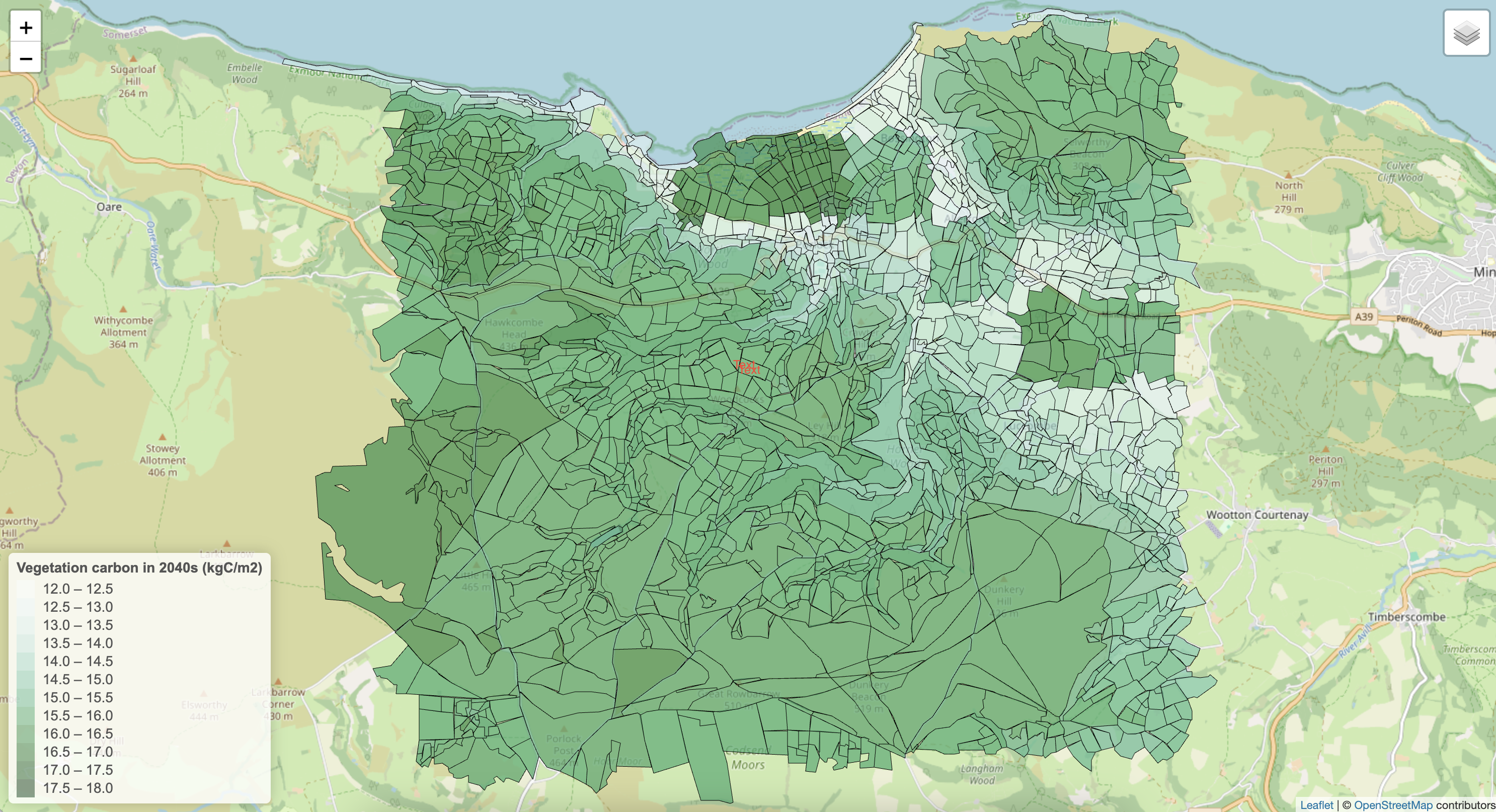
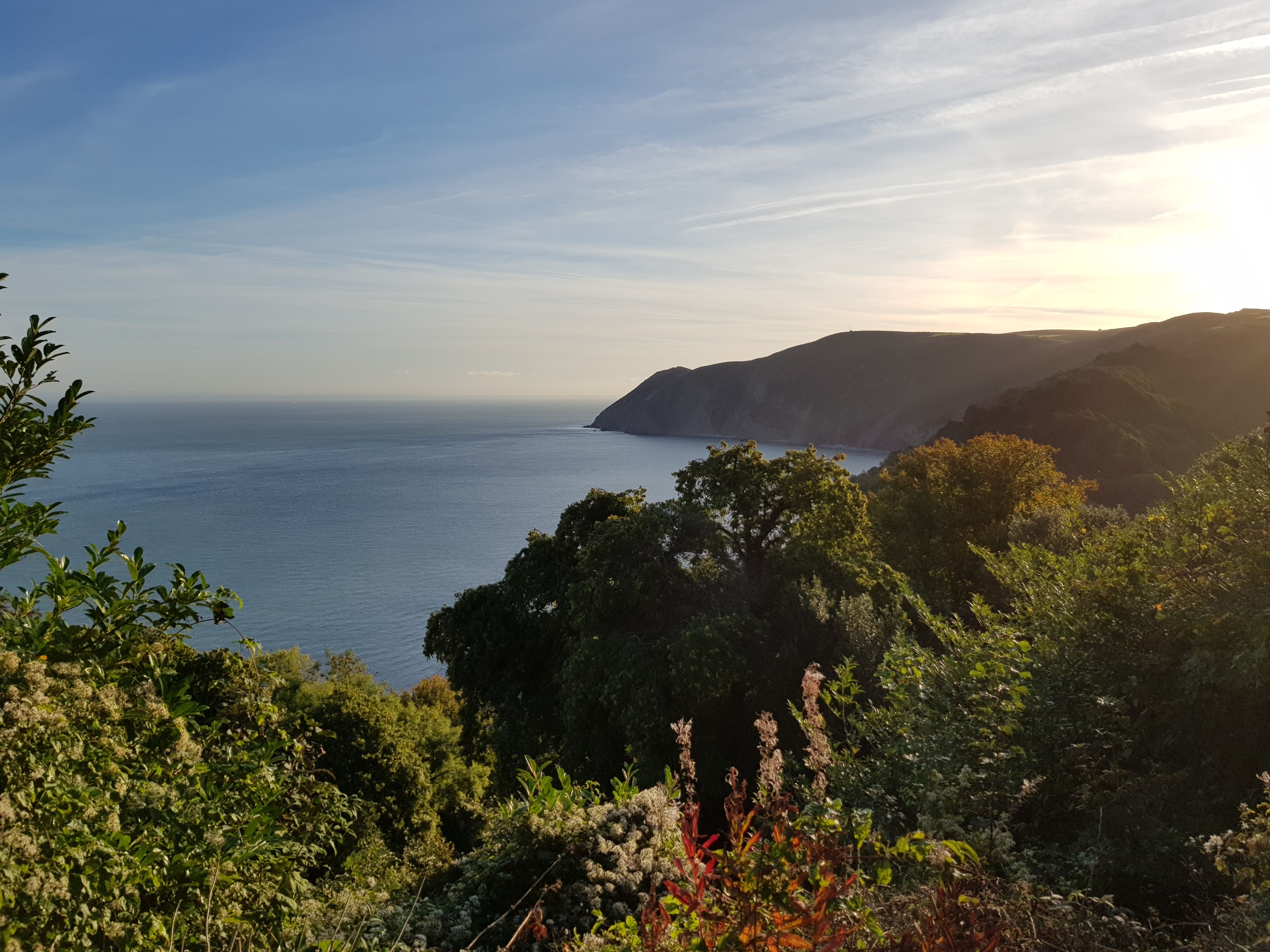
A first look at our results: potential for aboveground carbon in needle-leaf trees planted in 2025 by the 2040s in north Devon, UK. And a real picture of what it looks like in this part of the world.
This summer, Nitta Nikhila Raj, who is pursuing a Master’s degree in AI at UGA, is helping me port the calibration system to my computer at UGA and setting it up for a new application. Even though the ADD-TREES project has ended, there is still a lot of exciting work on the horizon using the tools we’ve developed, and I’m glad I was able to attend this meeting in person to catch up and talk about what could be next.
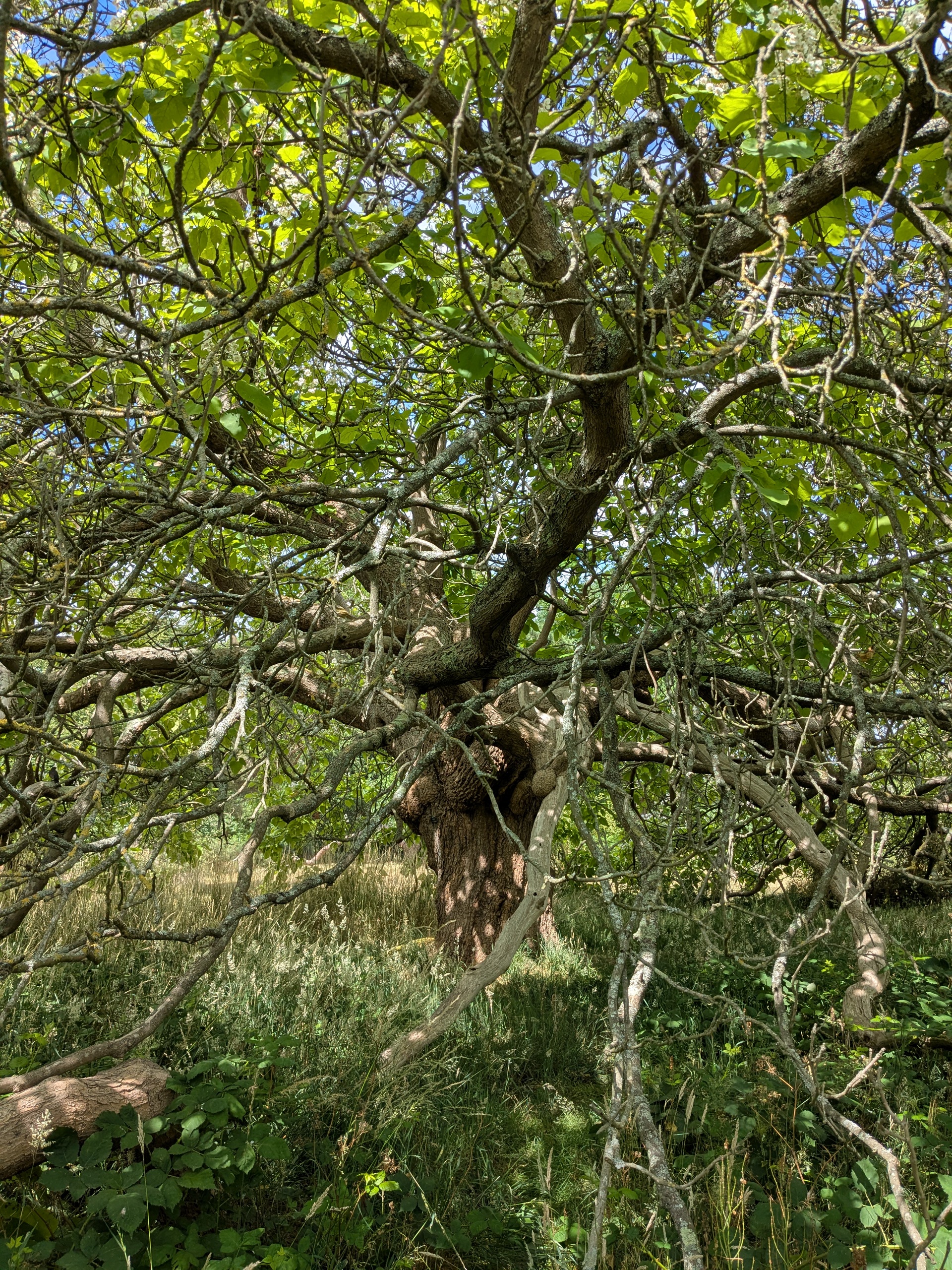
It was also very nice to be in London, although I was disappointed to be there during a heatwave. On Monday, the temperatures in London were actually higher than in Athens! This didn’t stop us from enjoying the view from our conference venue, which was the UCL School of Management, located on the 50th floor of a building in Canary Wharf. I also enjoyed working on my presentation the day before the meeting under the shade of some lovely trees in Kew Gardens, which I can highly recommend if you want to spend a day among interesting floral and botanical sights and smells.

 The Harper Lab @UGA
Leave a comment